
Loading…
Did You Know?
Explore practical guides, research-based explanations, and real-world insights about water quality, filtration, contaminants, scale, health, and sustainable treatment.
TipaTech's knowledge hub helps homeowners and professionals understand what may affect their water, how different technologies work, and what to verify before choosing a solution.
Explore the Hidden Side of Water
Choose a focused guide collection or browse the entire knowledge center.
Find What You Need
9 articles
Latest Water Insights
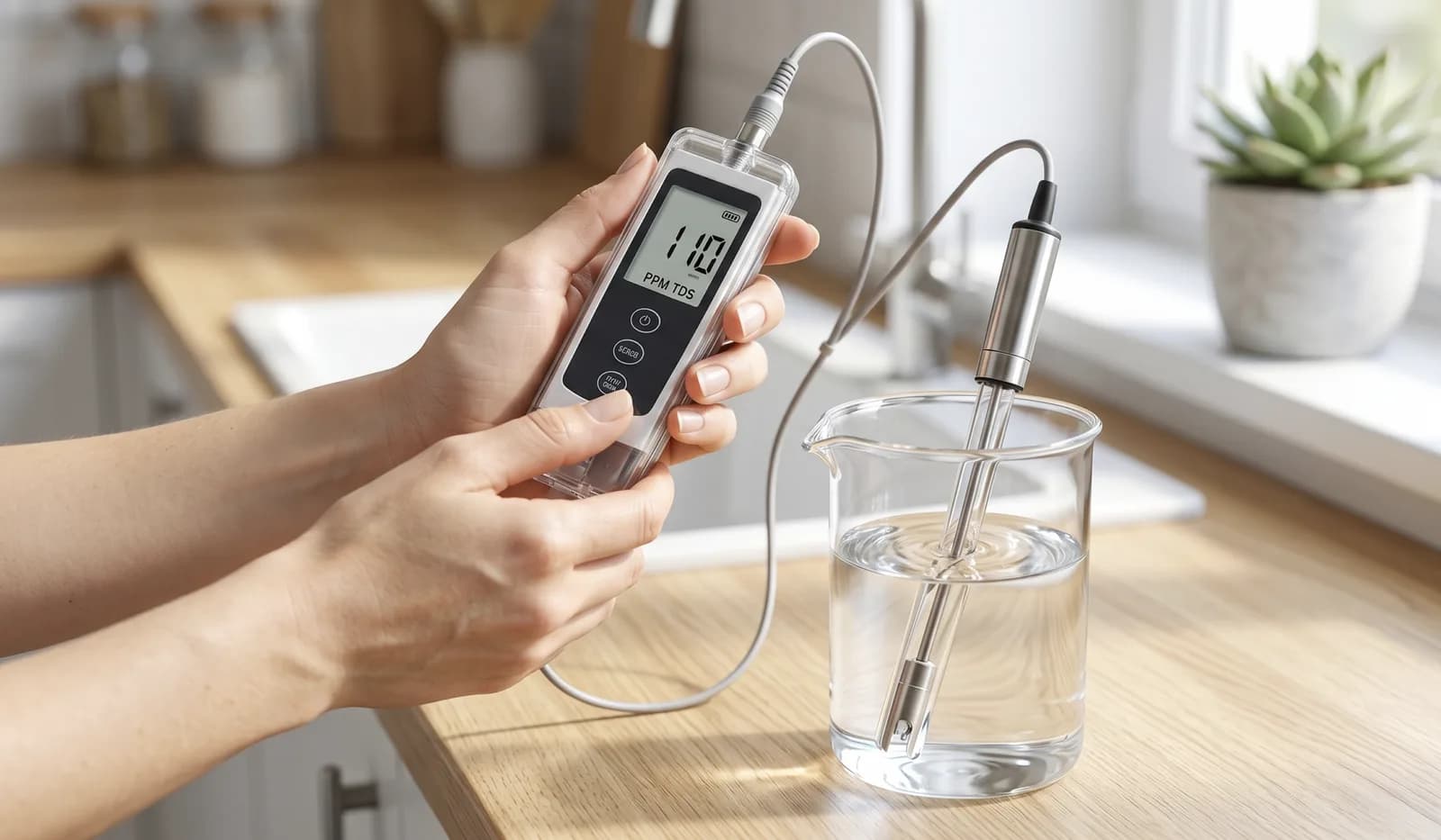
Salt-based water softeners solve a specific problem: hardness. They use ion exchange to replace much of the calcium and magnesium in water with sodium or, in some systems, potassium. This can reduce conventional...
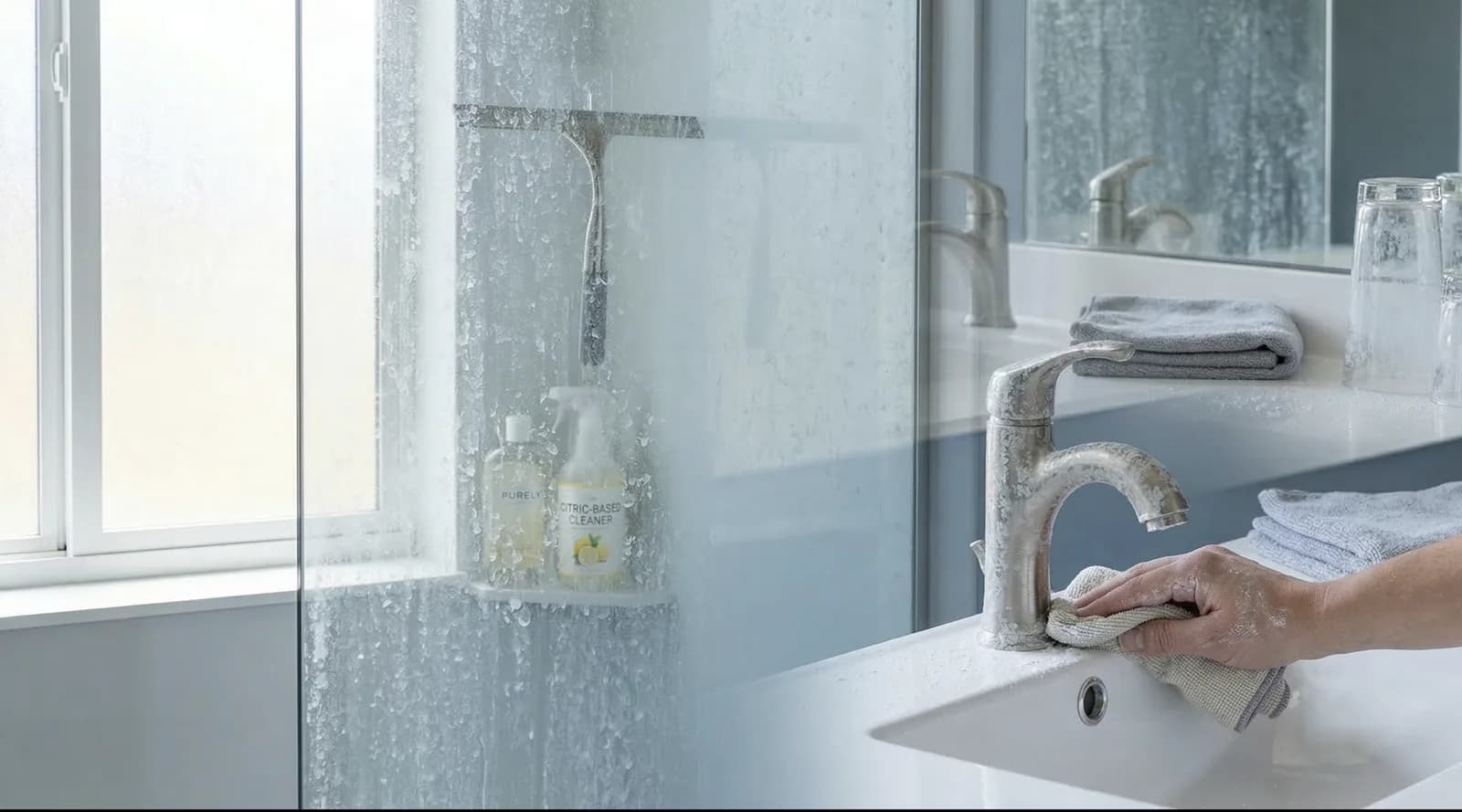
Hard-water stains appear when droplets evaporate and leave calcium, magnesium, and other dissolved material behind. They are most visible on shower glass, chrome, dark tile, faucets, dishes, and heating elements.
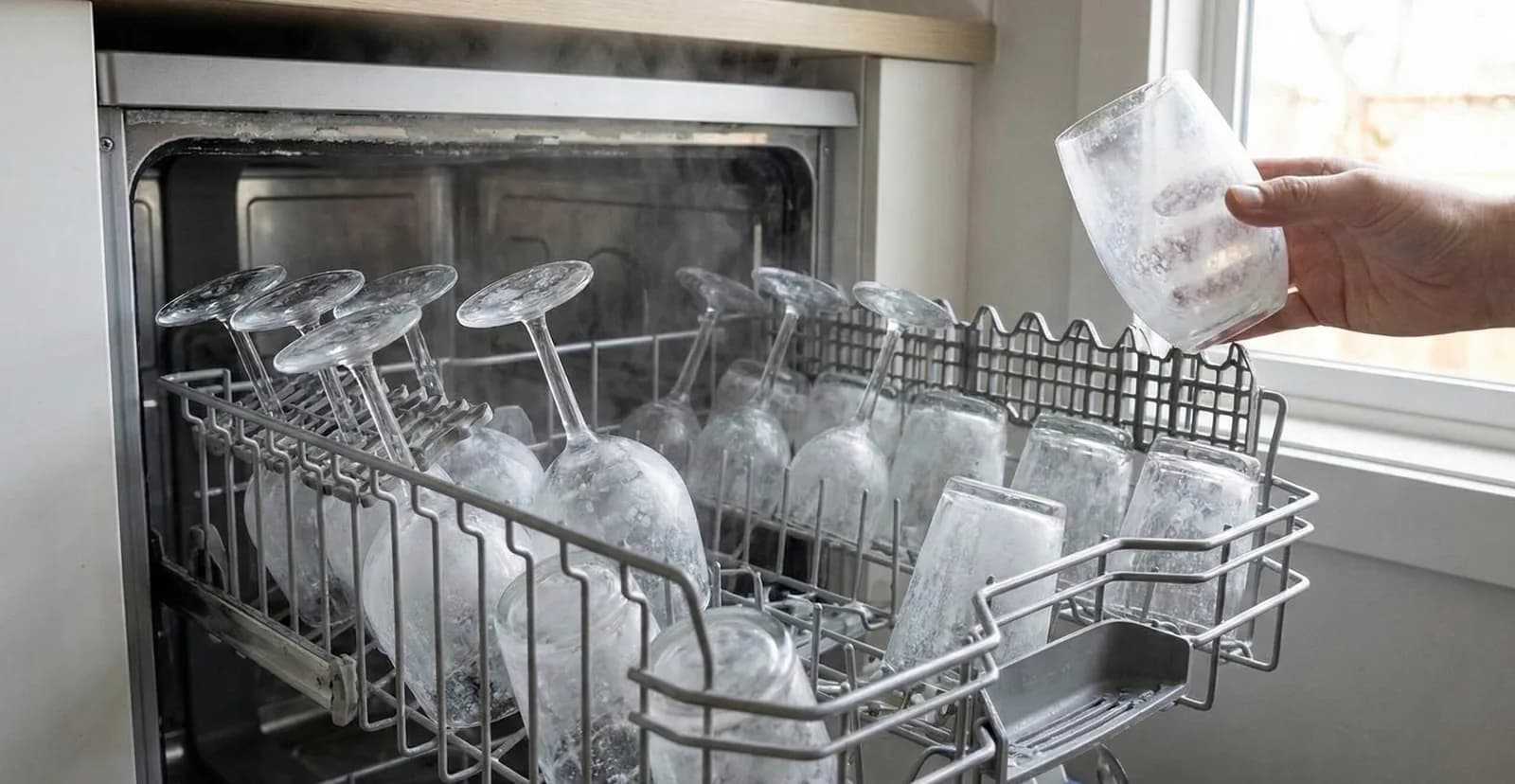
A white or cloudy film on dishes is often blamed on soap, but several different problems can look similar. Hard-water minerals are a common cause, yet excess detergent, low rinse temperature, blocked spray arms, poor...
Is well water hard or soft? It is often hard, but not always. Groundwater can dissolve calcium and magnesium as it moves through soil and rock. The final hardness depends on local geology, well depth, aquifer...
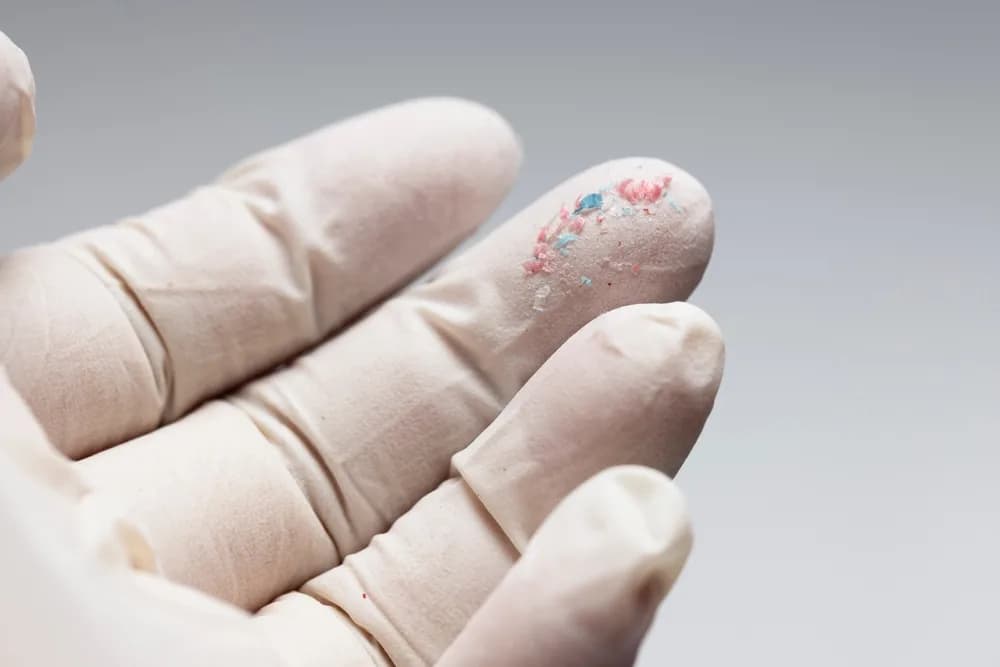
Is limescale harmful? In most homes, limescale is mainly an operational problem caused by calcium carbonate deposits from hard water. It can coat heating elements, restrict flow, mark fixtures, and increase cleaning....
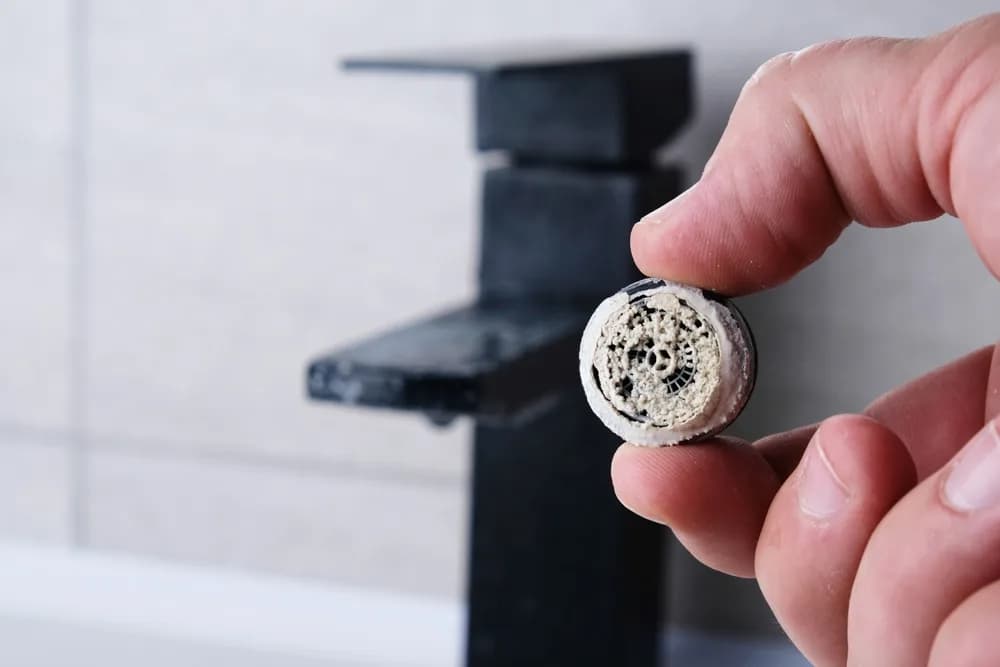
Limescale is the hard, chalky deposit that forms when minerals in hard water precipitate on surfaces. It commonly appears on faucets, shower screens, kettles, coffee machines, water-heater elements, and inside...
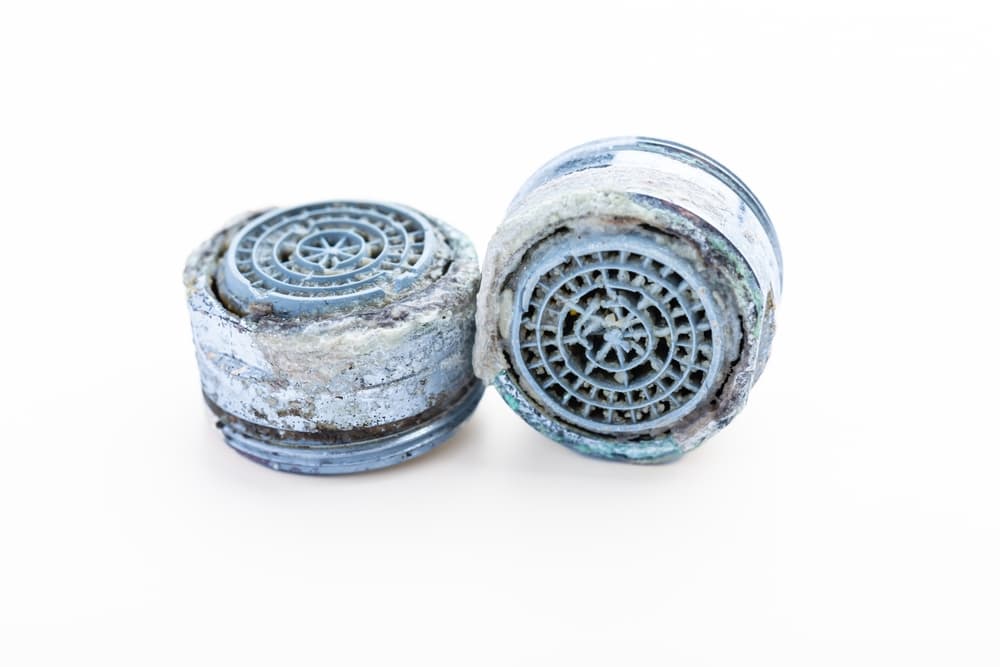
To reduce limescale effectively, first decide whether you want to remove hardness minerals or manage their tendency to form deposits. Ion-exchange softeners lower hardness by removing calcium and magnesium....
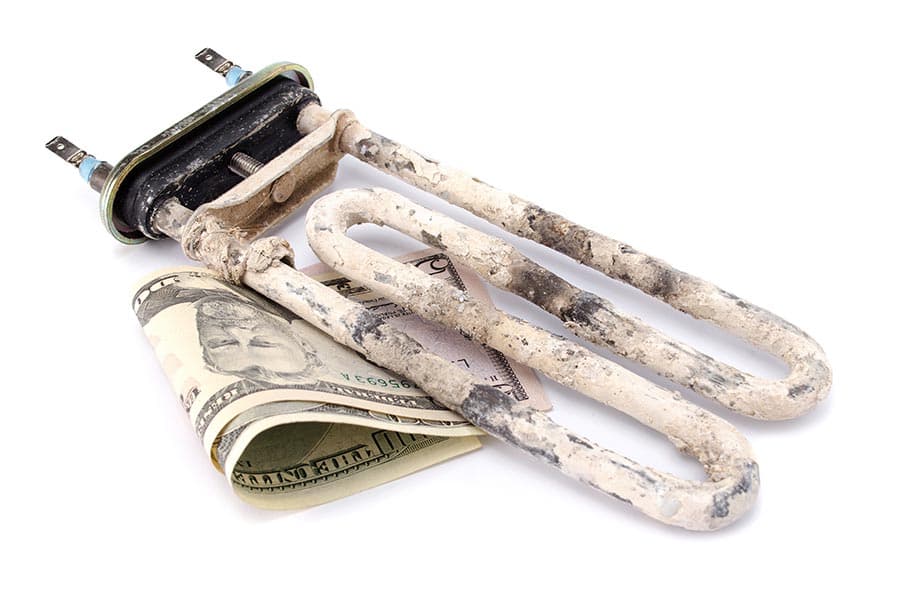
Scale buildup on a water heater or another heating surface can make heat transfer less efficient. The appliance may need to run longer or work harder to deliver the same amount of hot water, which can contribute to...
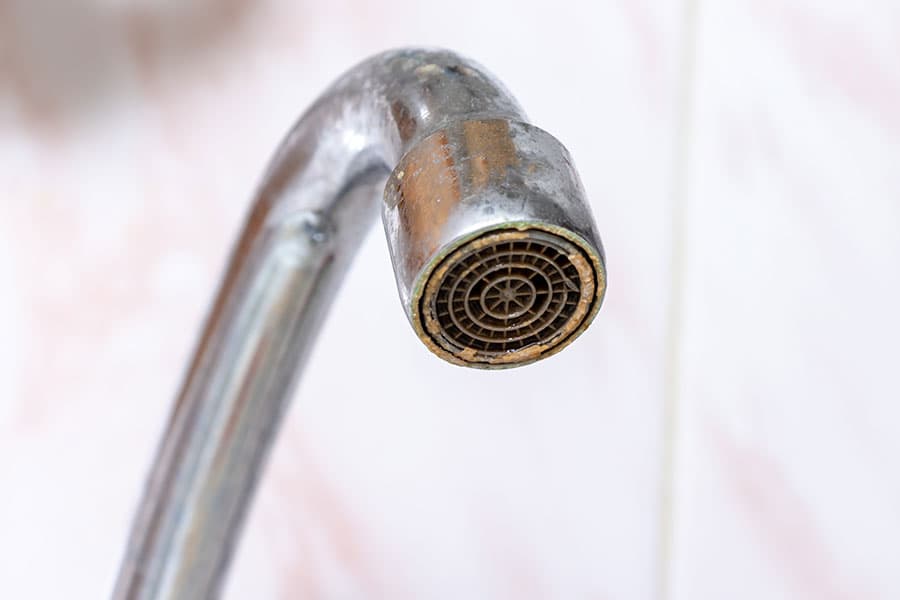
Scale deposits, also called limescale, are the hard or chalky mineral buildup that appears on faucets, showerheads, kettles, heating elements, and the inside of pipes. They form mainly when hard water contains...
Transparency & Responsible Guidance
Articles in this section are provided for general educational purposes and may summarize publicly available research, regulations, and third-party sources. They are not medical advice. Product suitability and performance depend on source-water quality, system configuration, installation, maintenance, and use. When a specific contaminant or health concern is involved, appropriate testing and qualified professional guidance are recommended.