Loading…
Did You Know?
Explore practical guides, research-based explanations, and real-world insights about water quality, filtration, contaminants, scale, health, and sustainable treatment.
TipaTech's knowledge hub helps homeowners and professionals understand what may affect their water, how different technologies work, and what to verify before choosing a solution.
Explore the Hidden Side of Water
Choose a focused guide collection or browse the entire knowledge center.
Find What You Need
84 articles
Latest Water Insights

Symptoms may include tiredness, dizziness, weakness, dry mouth, dark-colored urine, reduced urination, headaches, irritability, slower thinking, or confusion. Symptoms can vary between individuals and may also be...

The phrase anti-aging water sounds appealing because it combines two powerful ideas: hydration and the desire to remain healthy and energetic. But no water has been proven to turn back biological age, erase wrinkles,...
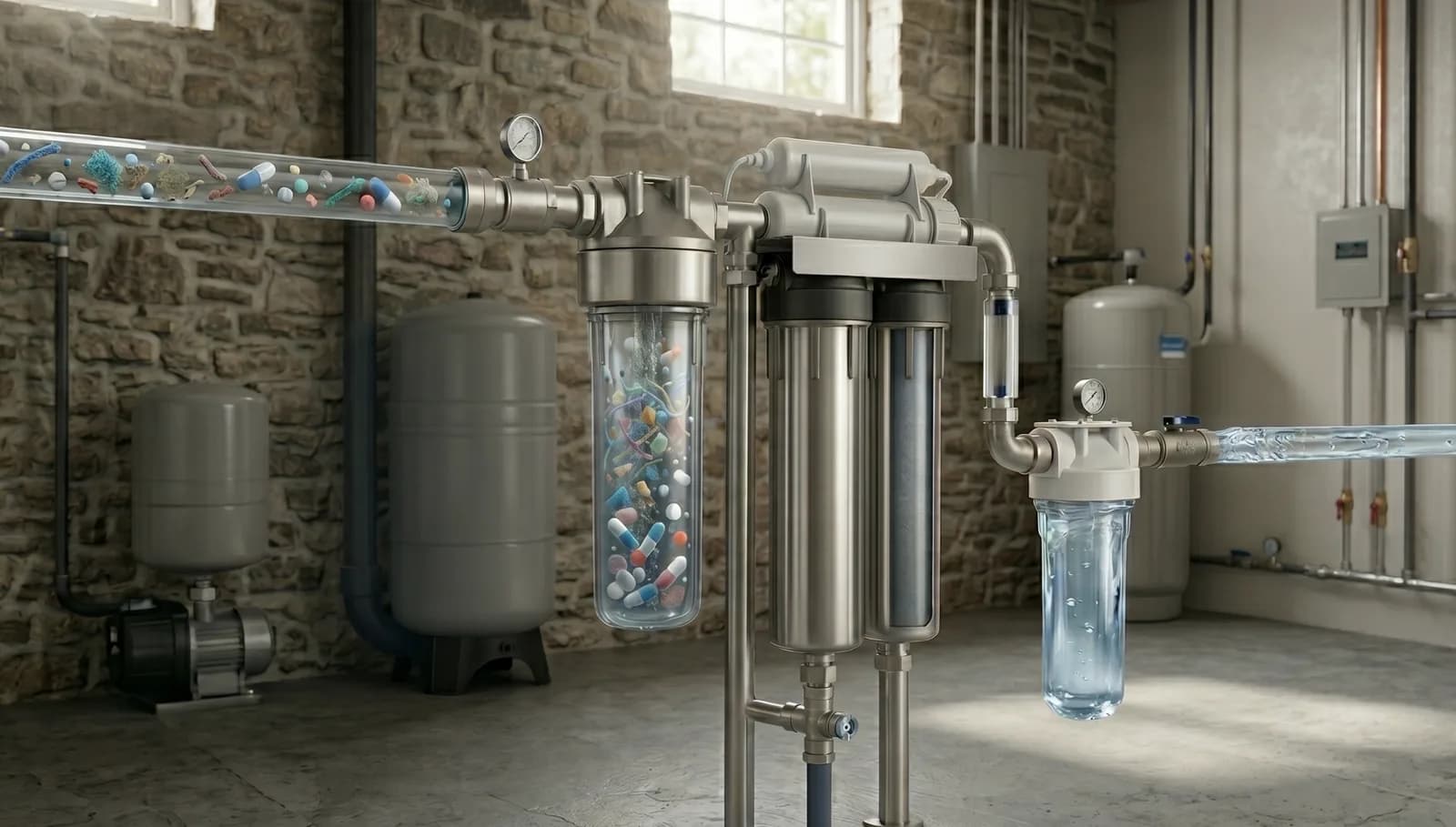
On April 2, 2026, the U.S. Environmental Protection Agency released draft CCL 6 and, for the first time in the candidate-list program, included microplastics and pharmaceuticals as priority contaminant groups. The...
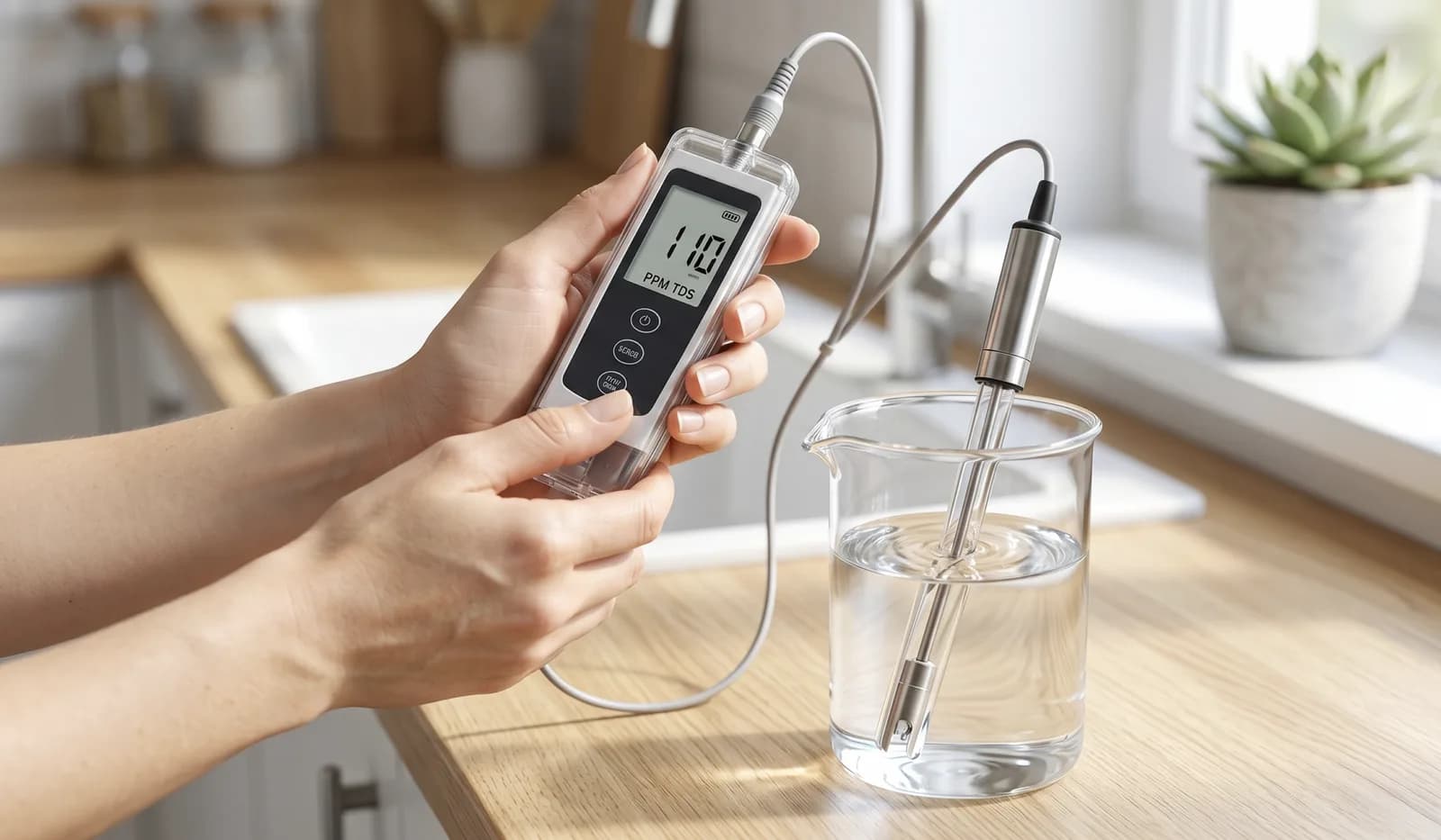
Salt-based water softeners solve a specific problem: hardness. They use ion exchange to replace much of the calcium and magnesium in water with sodium or, in some systems, potassium. This can reduce conventional...
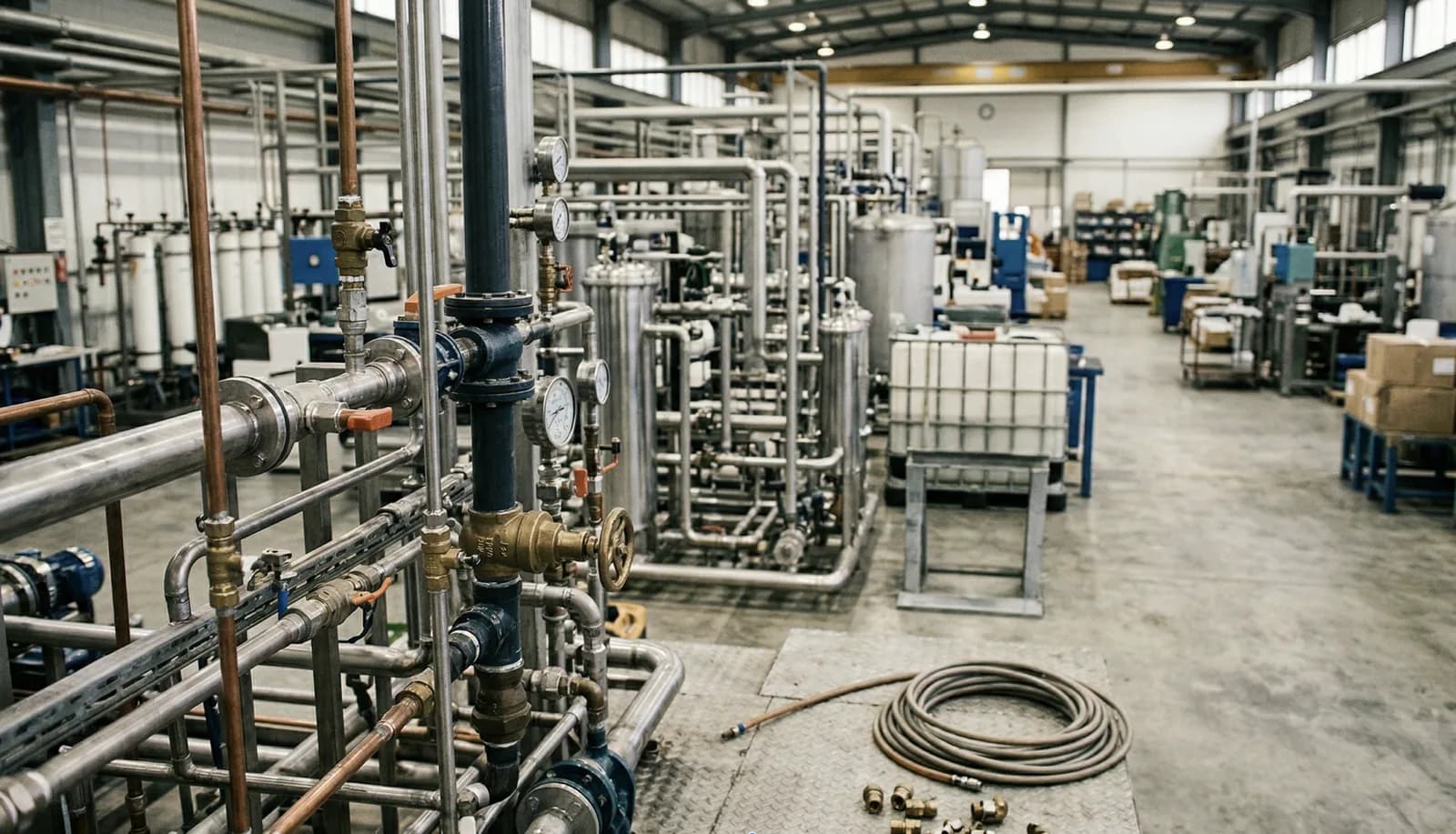
This article is a personal field account by Baruch Ziser. It describes events as he remembers them. It is not an independently audited case study, and the technical lesson should not be treated as proof that the same...
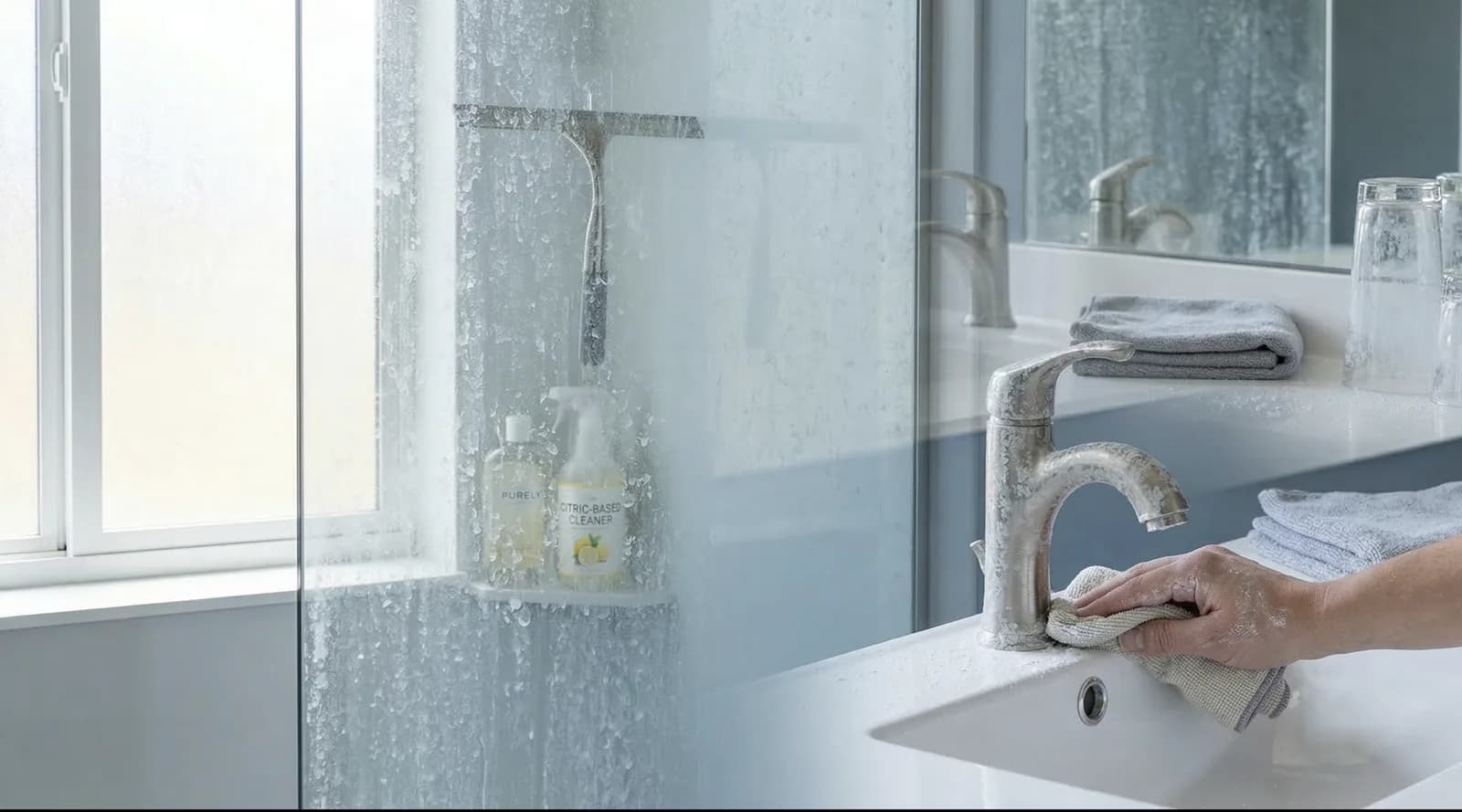
Hard-water stains appear when droplets evaporate and leave calcium, magnesium, and other dissolved material behind. They are most visible on shower glass, chrome, dark tile, faucets, dishes, and heating elements.
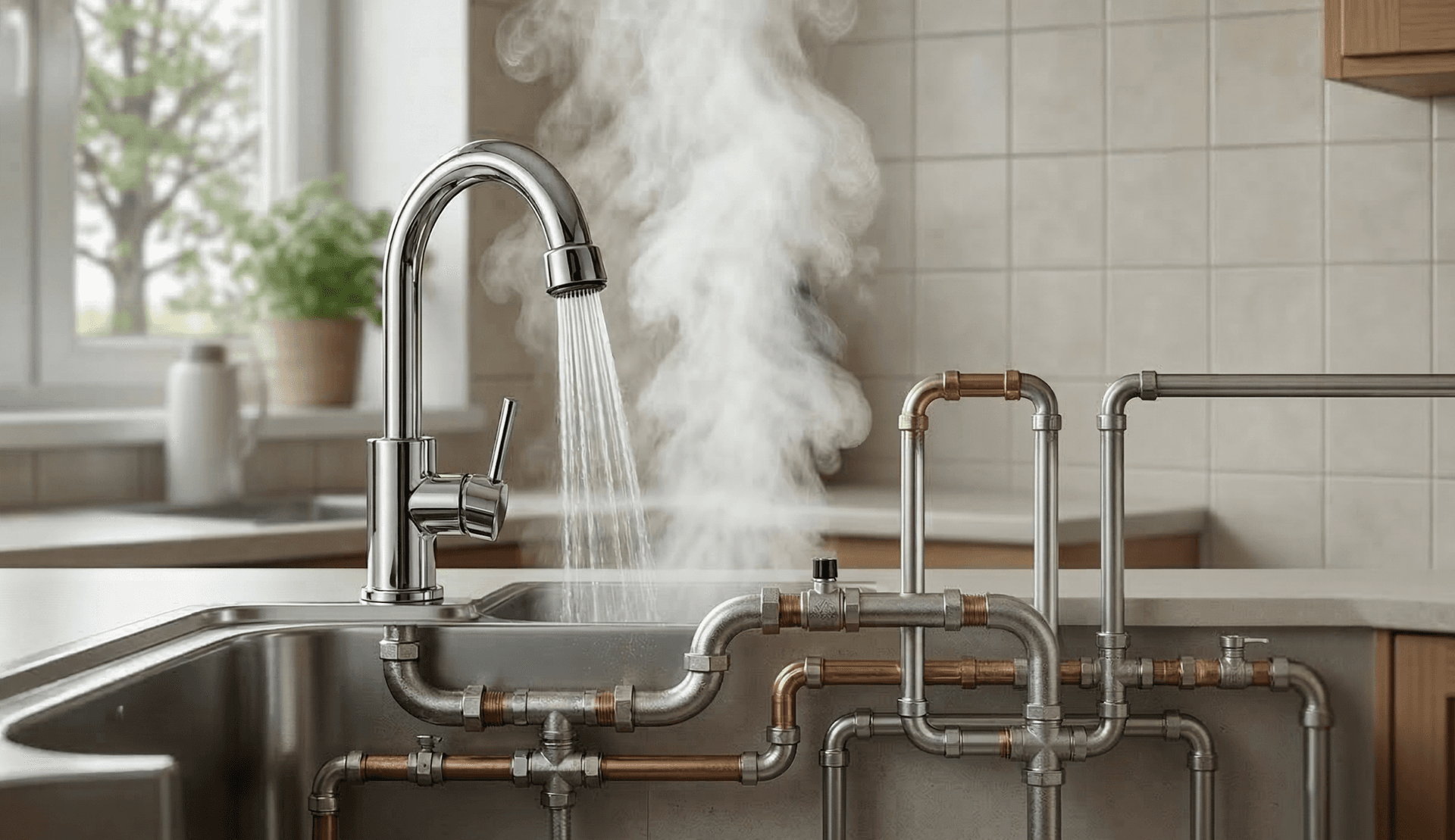
That unmistakable rotten-egg odor usually points to a sulfur-related compound, but the source is not always the incoming water. The smell can originate in a private well, the water heater, one plumbing branch, a...

The link between water quality and health is real, but it is often explained badly. Water can transmit microorganisms or contain chemicals that matter at certain concentrations. It can also have harmless aesthetic...
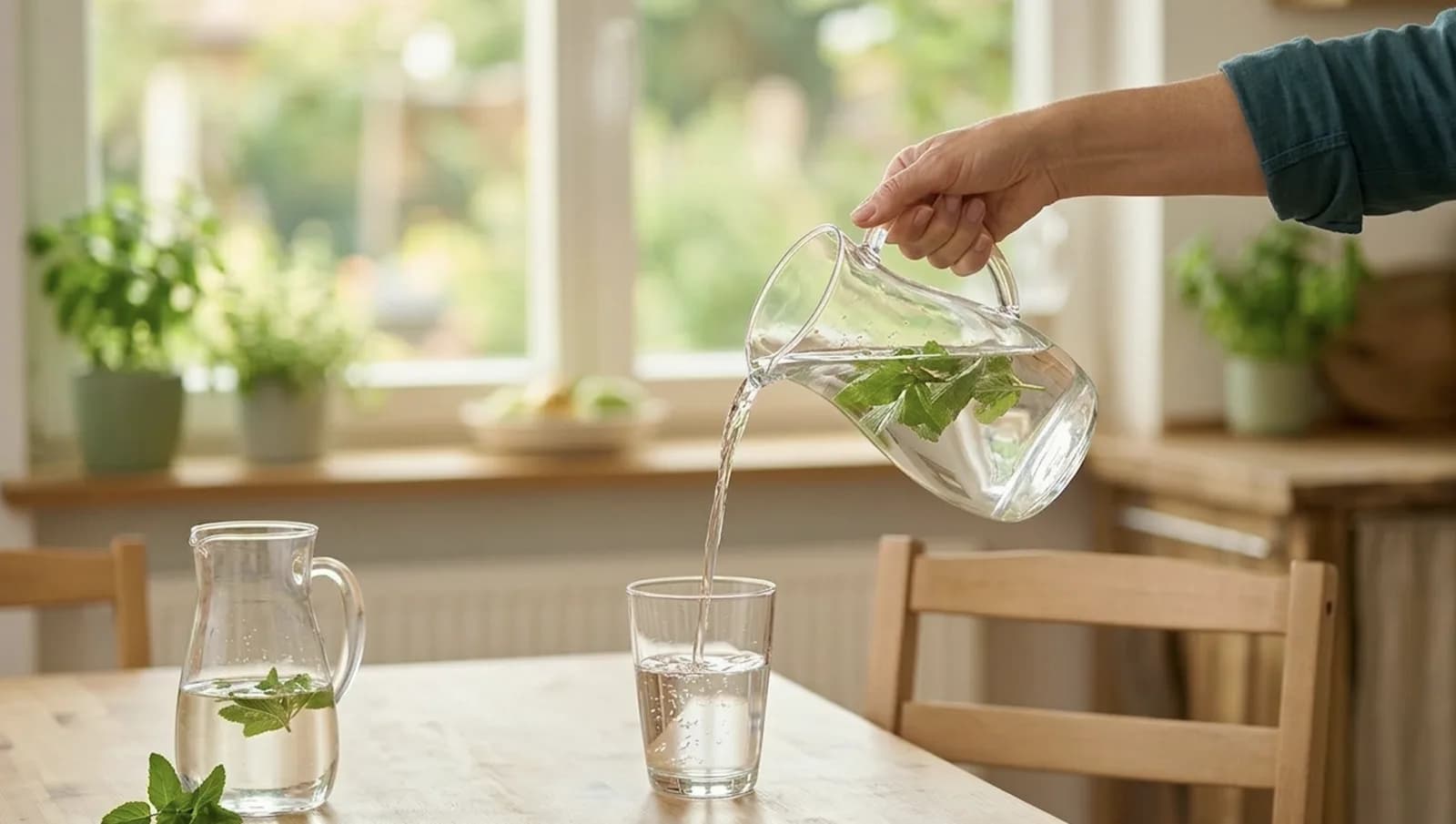
Longevity water sounds like a special product, but no water has been proven to extend human lifespan. The scientifically responsible idea is simpler: reliable access to safe, acceptable water can support regular...
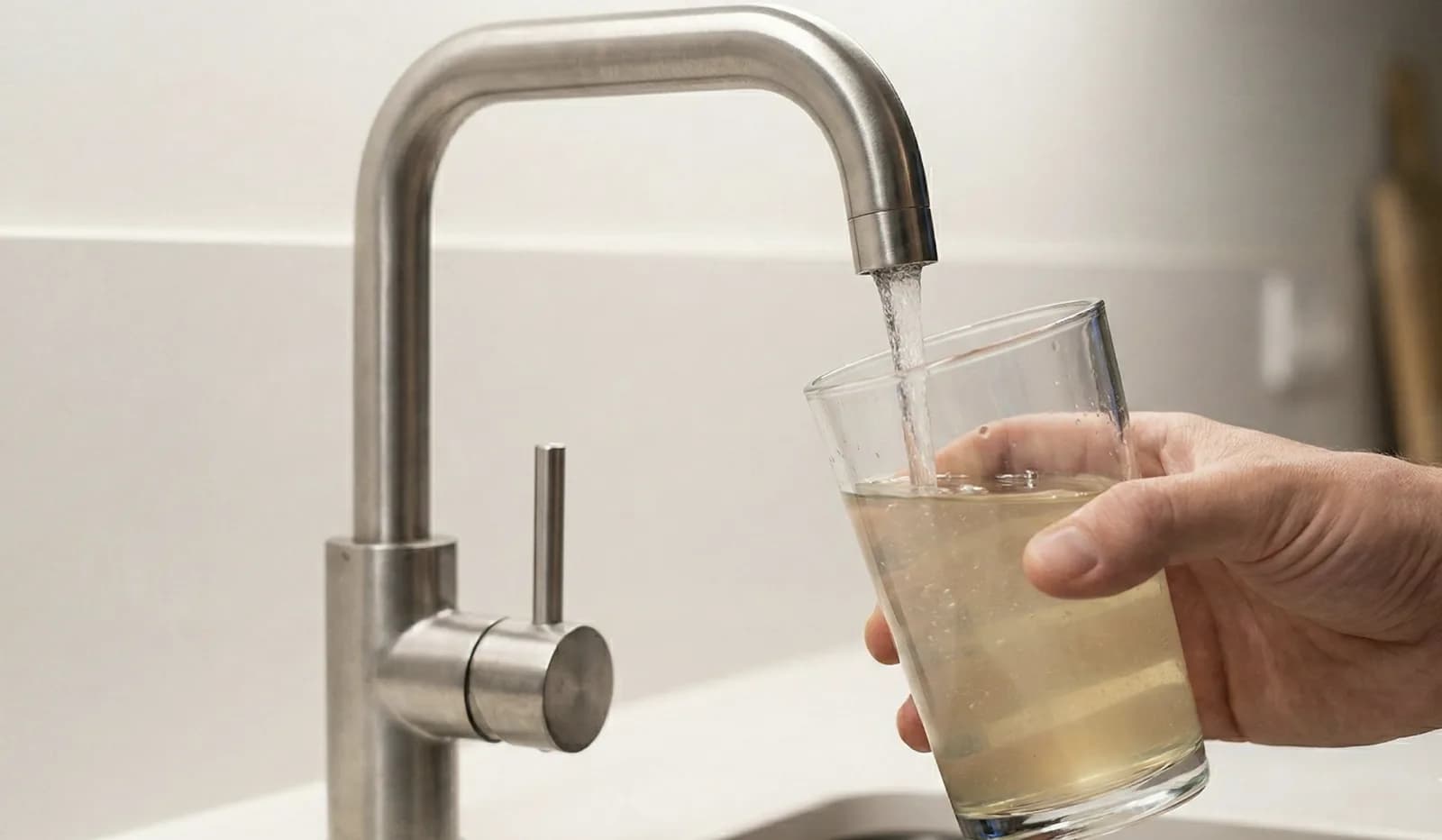
A metallic taste in water is a useful clue, but it is not a diagnosis. Iron, copper, zinc, plumbing corrosion, low pH, a new faucet, or a water heater can all change taste. At the same time, some important...
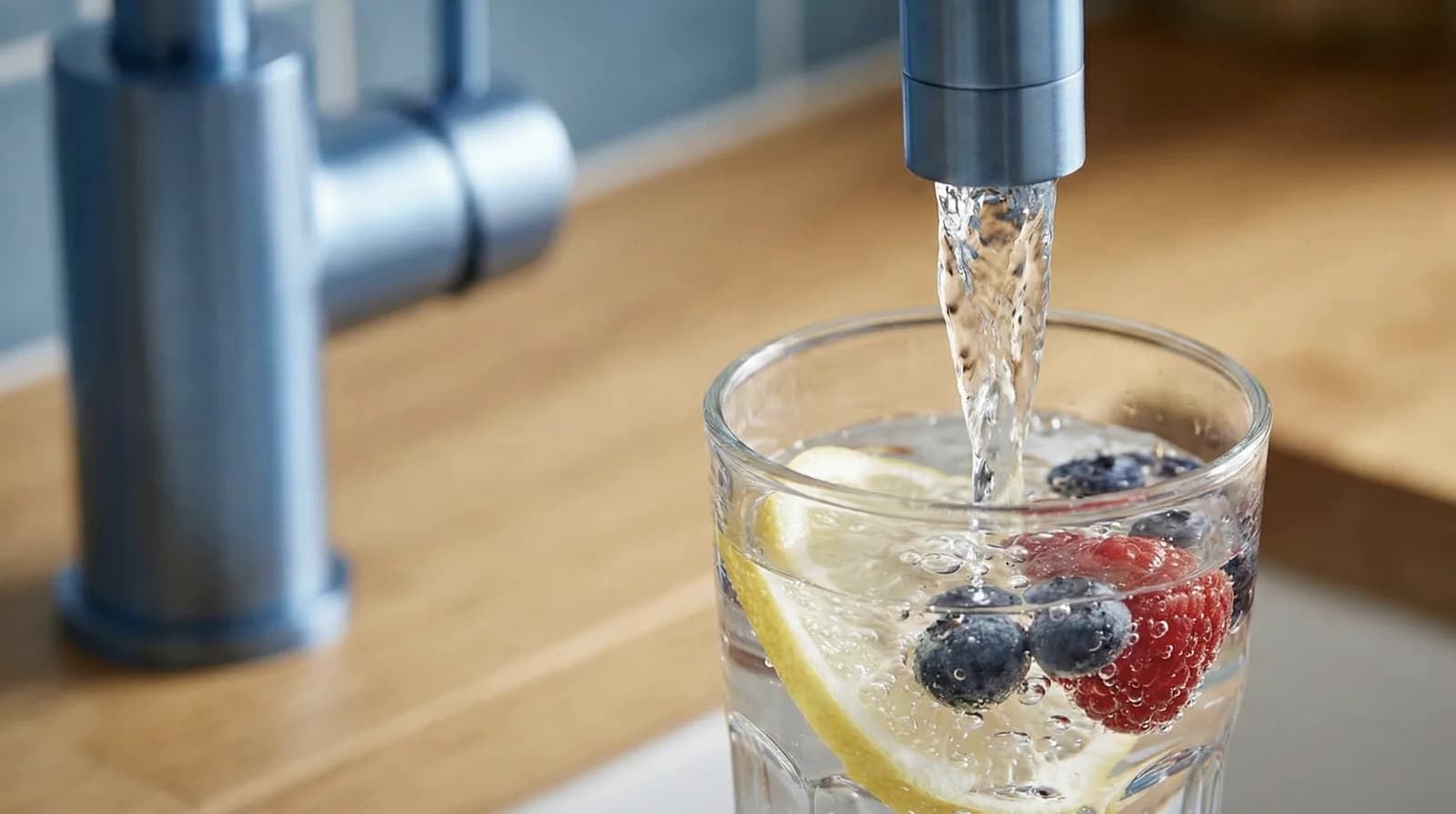
Antioxidant water is one of the most misunderstood phrases in the water industry. Search results often mix three different ideas: alkaline pH, negative oxidation-reduction potential, and dissolved molecular hydrogen....
Transparency & Responsible Guidance
Articles in this section are provided for general educational purposes and may summarize publicly available research, regulations, and third-party sources. They are not medical advice. Product suitability and performance depend on source-water quality, system configuration, installation, maintenance, and use. When a specific contaminant or health concern is involved, appropriate testing and qualified professional guidance are recommended.